
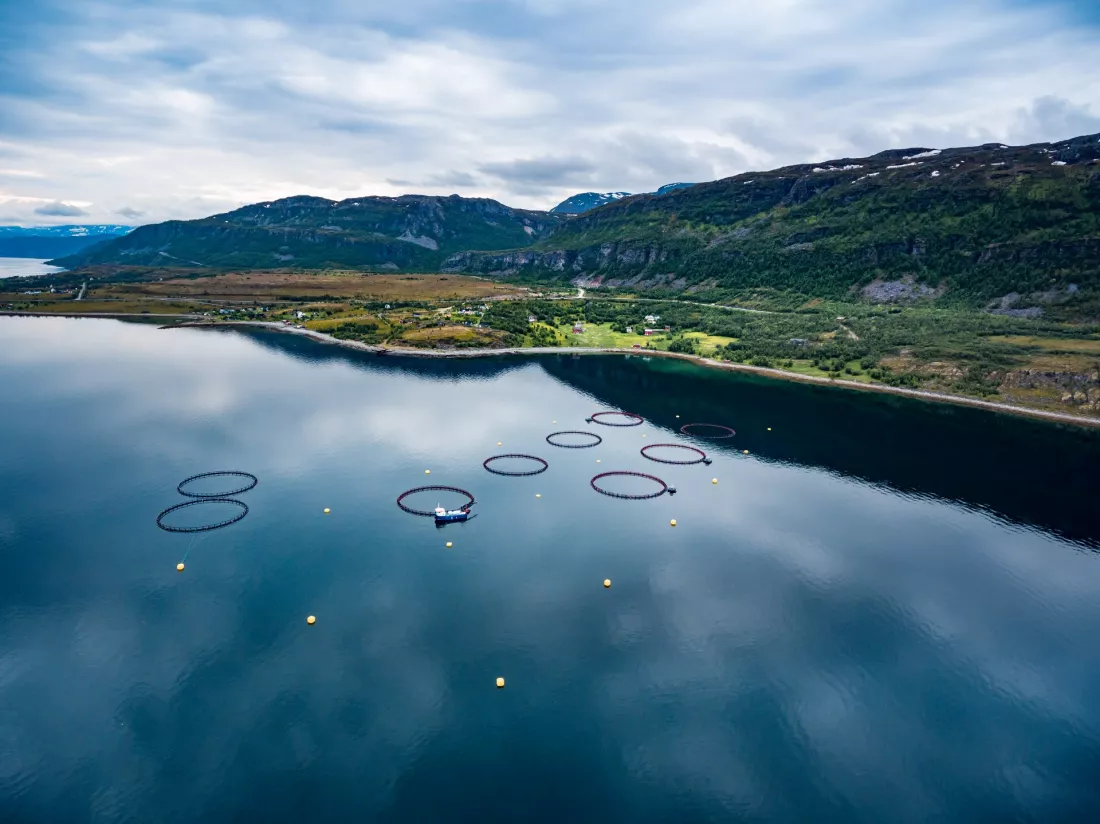
Łosoś z hodowli zawdzięcza swój różowy odcień pigmentowi, który w większości powstaje dziś w procesach petrochemicznych. Zespół z Uniwersytetu w Weronie postanowił to zmienić: w unijnym projekcie ASTEASIER genetycznie zmodyfikowane mikroalgi produkowały astaksantynę taniej niż ich naturalni kuzyni, a partnerzy z branży przenieśli pomysł na skalę przemysłową i sprawdzili go na rybach — a na końcu możesz sprawdzić, czy biotechnologia przemysłowa to dziedzina dla ciebie.
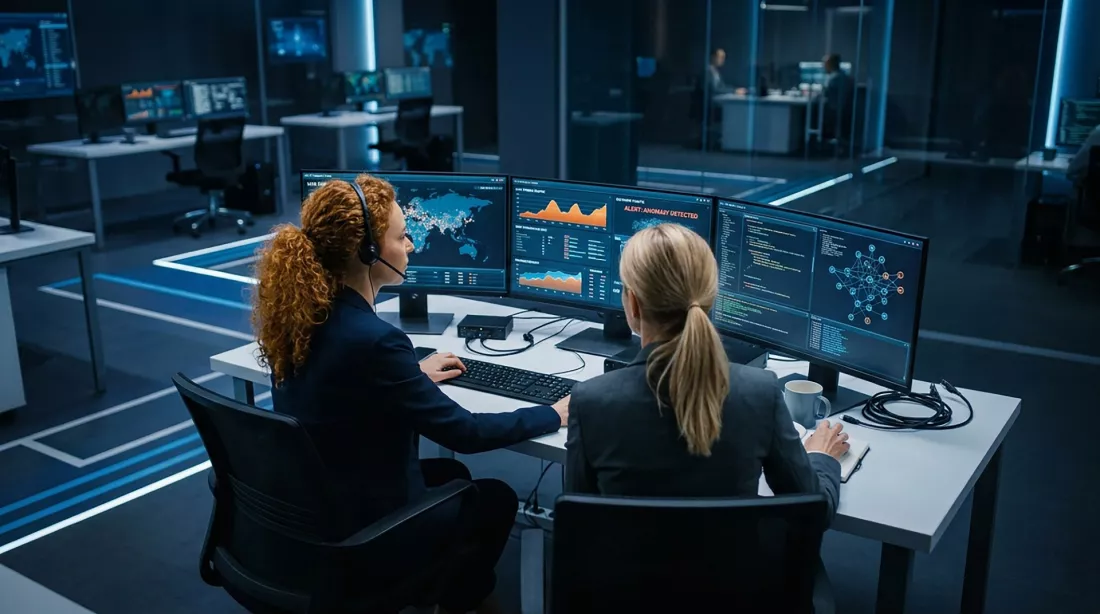
Los ciberdelincuentes no se detienen en ninguna frontera, pero cada país europeo los combate a su manera. El proyecto CYCLOPES, financiado por Horizonte 2020 entre 2021 y 2026, reunió a policías de toda Europa para compartir herramientas en lugar de inventar dos veces la misma solución. De uno de sus talleres salió incluso una iniciativa que ya ha bloqueado más de mil webs fraudulentas — y al final puedes comprobar si tienes olfato para seguir la pista a los delincuentes de la red.
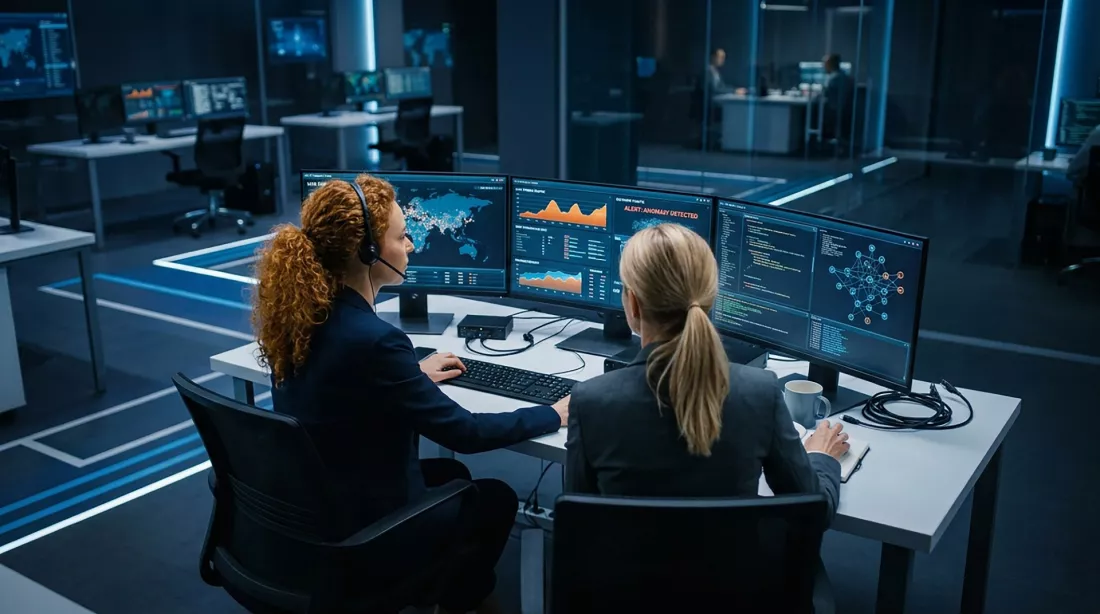
Cyberkriminelle scheren sich nicht um Landesgrenzen, Ermittlerinnen und Ermittler aber schon – und jedes Land kämpft anders. Das EU-geförderte Projekt CYCLOPES hat fünf Jahre lang Polizeibehörden aus ganz Europa an einen Tisch gebracht, damit niemand dasselbe Werkzeug zweimal erfinden muss. Herausgekommen sind eine Datenbank wie eine Bibliothek, über 100 Berichte und eine preisgekrönte Initiative gegen Phishing – und am Ende kannst du testen, ob in dir ein Cyberermittler steckt.
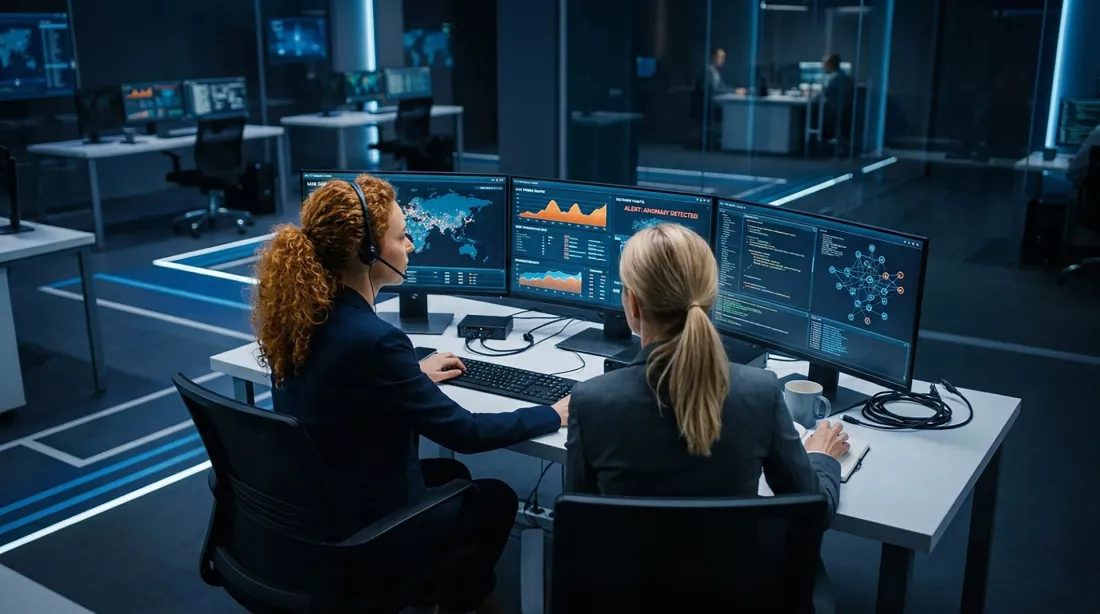
Les cybercriminels ignorent les frontières, mais chaque pays européen les combat encore à sa façon. Pendant cinq ans, le projet CYCLOPES, financé par l'UE, a réuni policiers, chercheurs et spécialistes pour partager outils et expériences. Au programme : une base de données qui fonctionne comme une bibliothèque, une initiative anti-hameçonnage née d'un atelier à Stockholm et un réseau qui survit au projet — et à la fin, tu peux vérifier si tu as l'étoffe d'un enquêteur du numérique.
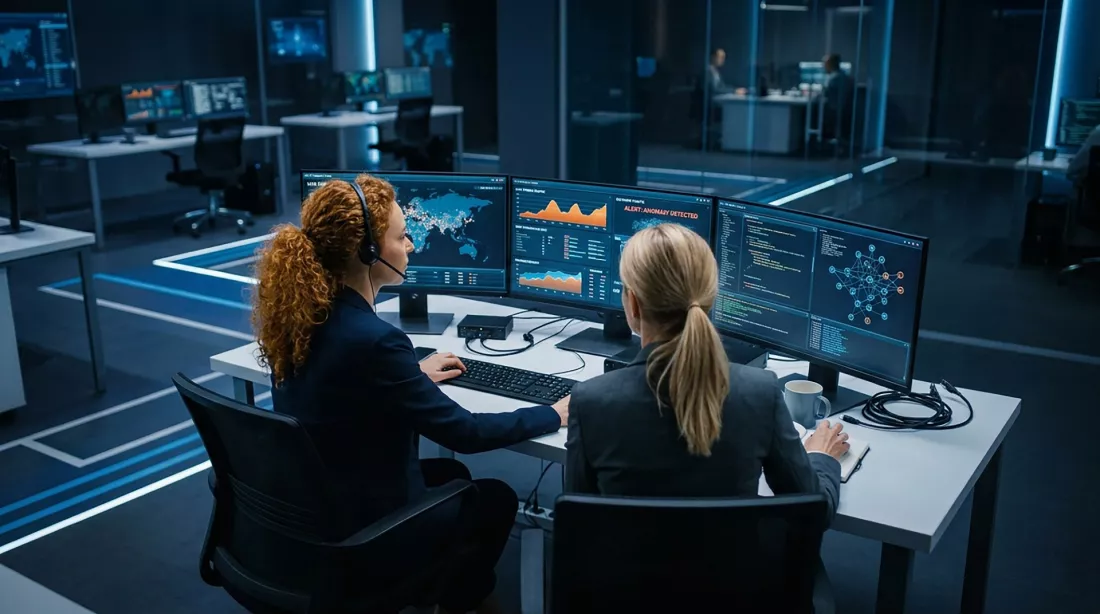
Cyberprzestępca może zaatakować z drugiego końca świata, a policja wciąż działa w granicach własnego kraju i według własnych metod. Unijny projekt CYCLOPES, koordynowany z Polski, przez pięć lat łączył śledczych, naukowców i firmy, żeby europejskie organy ścigania nie wymyślały dwa razy tego samego narzędzia. Efekty to m.in. baza gotowych rozwiązań, ponad 100 raportów i akcja, która zablokowała około 1600 fałszywych stron — a na końcu możesz sprawdzić, czy masz żyłkę do tropienia oszustów w sieci.
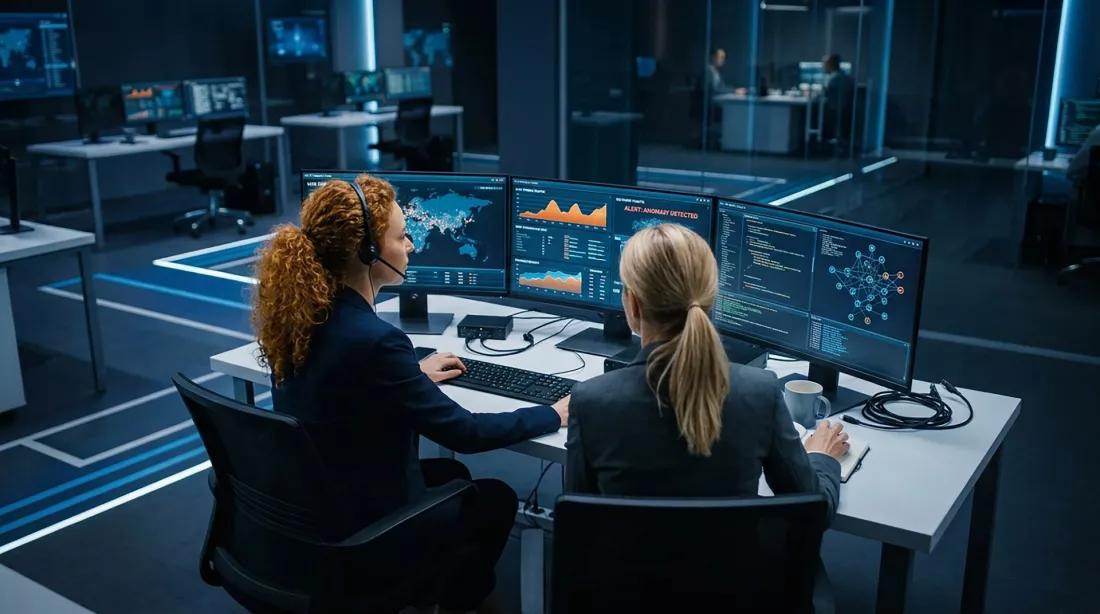
Cybercriminals do not stop at borders, but the police who chase them usually do. The EU-funded CYCLOPES project spent five years bringing European law enforcement officers, researchers and industry around one table: it ran workshops, built a shared database of tools and helped spark a Belgian anti-phishing initiative that has already blocked around 1,600 fake websites. Here is how the network works — and at the end you can check whether you have a nose for tracking down online criminals.

Il ritorno obbligatorio in ufficio convince sempre meno: uno studio su oltre 7.700 dipendenti di una grande organizzazione sanitaria statunitense indica che chi lavora completamente da remoto dichiara il benessere più alto, mentre chi resta sempre in sede quello più basso. Il risultato ha sorpreso perfino la coautrice della ricerca, che si aspettava di veder vincere il modello ibrido — e alla fine puoi scoprire se il lavoro da remoto fa davvero per te.

De nombreuses entreprises rappellent leurs équipes au bureau, persuadées que le lien humain et la culture d'entreprise en dépendent. Une étude menée auprès de 7700 salariés d'un grand organisme de santé bouscule pourtant cette idée : ceux qui travaillent entièrement à distance affichent le meilleur bien-être, ceux qui restent sur site le plus faible. Même la chercheuse qui a dirigé ces travaux s'attendait à autre chose — et à la fin, tu peux vérifier si le télétravail est fait pour toi.

Cada vez más empresas piden a su plantilla que regrese a la oficina, pero un estudio estadounidense con más de 7700 empleados apunta en otra dirección: quienes teletrabajan no salen perdiendo en bienestar, más bien al contrario. Lo más curioso es que la propia investigadora esperaba un resultado distinto. Te contamos quién lo hizo, cómo se midió el bienestar y por qué la flexibilidad aparece una y otra vez en sus conclusiones — y al final puedes comprobar si el trabajo en remoto va contigo.

Viele Unternehmen holen ihre Leute zurück an den Schreibtisch im Büro. Eine Studie aus den USA lässt an dieser Strategie zweifeln: Wer vollständig aus der Ferne arbeitet, fühlt sich am wohlsten, wer jeden Tag vor Ort ist, am wenigsten. Überrascht war sogar die Forscherin selbst, die eigentlich auf das Hybridmodell gesetzt hatte. Was hinter den Zahlen steckt und warum Flexibilität das Schlüsselwort ist – und am Ende kannst du prüfen, wie viel Homeoffice-Typ in dir steckt.

Coraz więcej firm każe pracownikom wracać do biur, ale naukowcy z Uniwersytetu Kolorado w Boulder mają na ten temat sporo wątpliwości. Przeanalizowali dane 7700 osób z dużej organizacji opieki zdrowotnej i sprawdzili, jak na dobrostan wpływa praca zdalna, hybrydowa i stacjonarna. Wynik zaskoczył nawet samą współautorkę badania, która spodziewała się zupełnie innego zwycięzcy. Wyjaśniamy, co mówią liczby i czemu szefowie ich nie słuchają — a na końcu sprawdzisz, czy praca zdalna jest dla ciebie.

Many companies want their staff back at their desks five days a week, but new research from the United States suggests that this may not be the smartest move. A team that surveyed over 7,700 workers found that people working fully remotely reported the highest well-being, while those always on site reported the lowest. Even one of the authors expected a different result. So who is right, the bosses or the data? Read on – and at the end you can check whether remote work is really your thing.
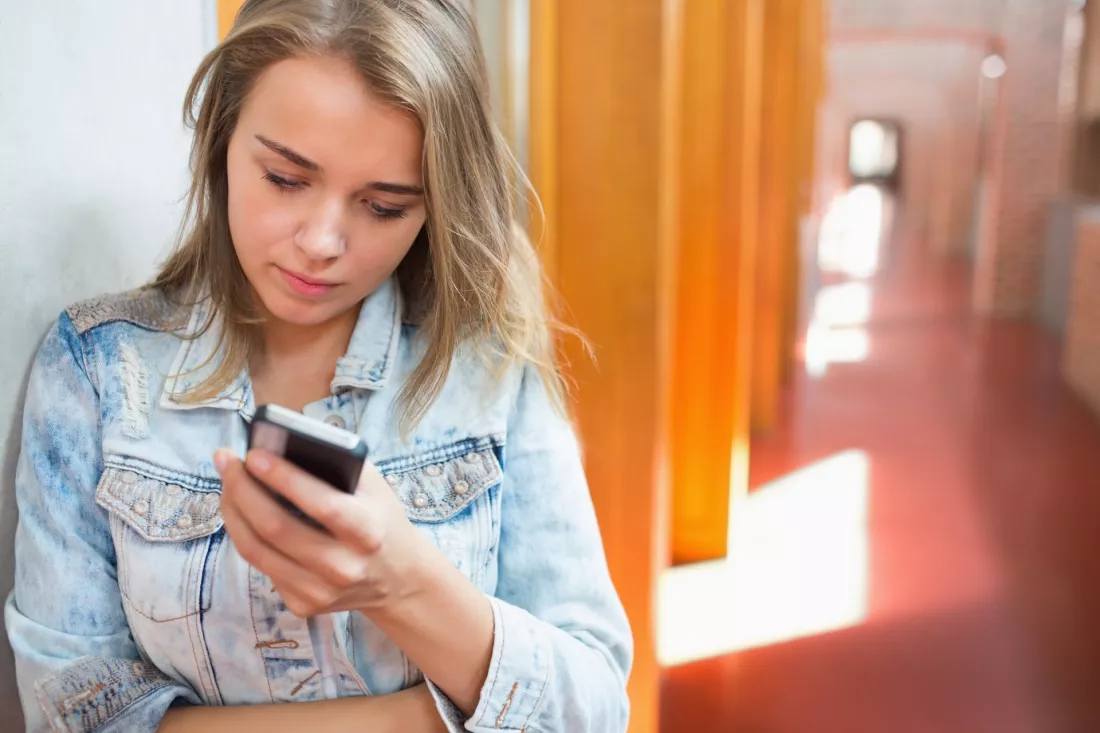
Per iscriverti a un servizio, fare volontariato o partecipare a una ricerca spesso devi dimostrare chi sei, e di solito finisci per cedere molti più dati del necessario. Il progetto europeo TrustED lavora a un'identità digitale sicura, che resta sempre nelle mani dell'utente, e a strumenti per analizzare i dati senza condividerli, già messi alla prova con volontari e ospedali — e alla fine puoi scoprire quanto ti prendi cura della tua identità digitale.
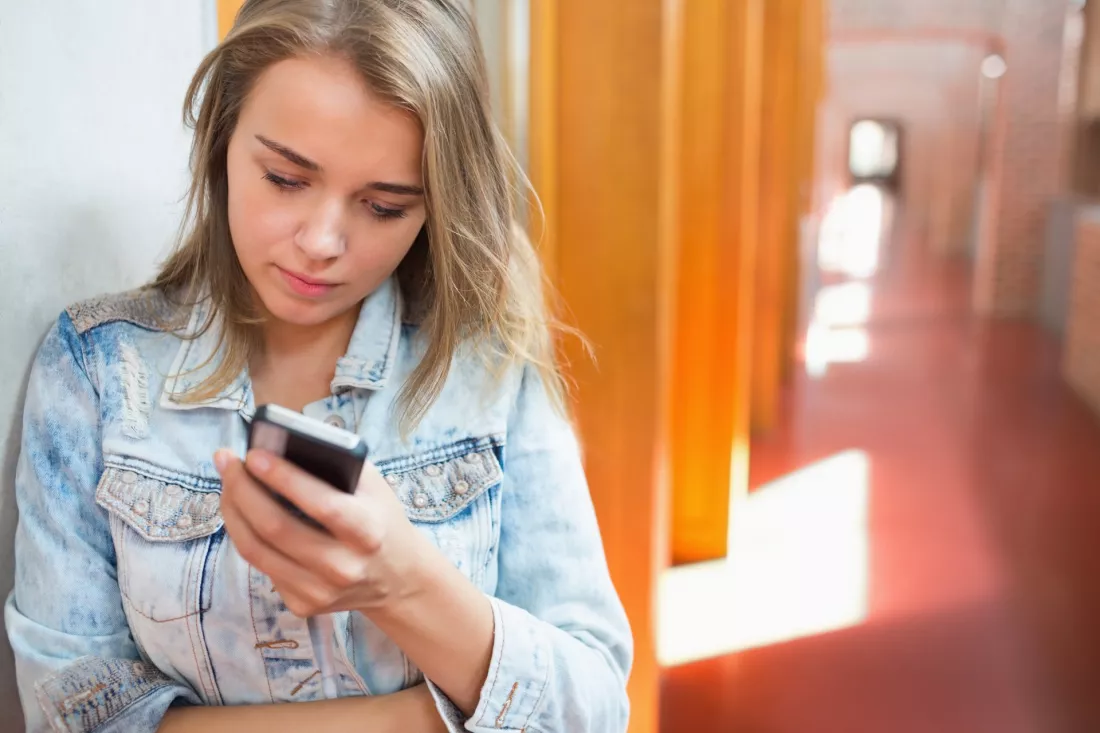
Comment prouver qui l’on est sur internet sans livrer au passage toutes ses données personnelles ? Le projet européen TrustED s’attaque à cette question en combinant un portefeuille d’identité numérique, l’apprentissage fédéré et des techniques de chiffrement sophistiquées. Ses outils ont déjà été mis à l’épreuve auprès de bénévoles et dans des hôpitaux — et à la fin, tu peux vérifier à quel point tu prends soin de ta propre identité numérique.
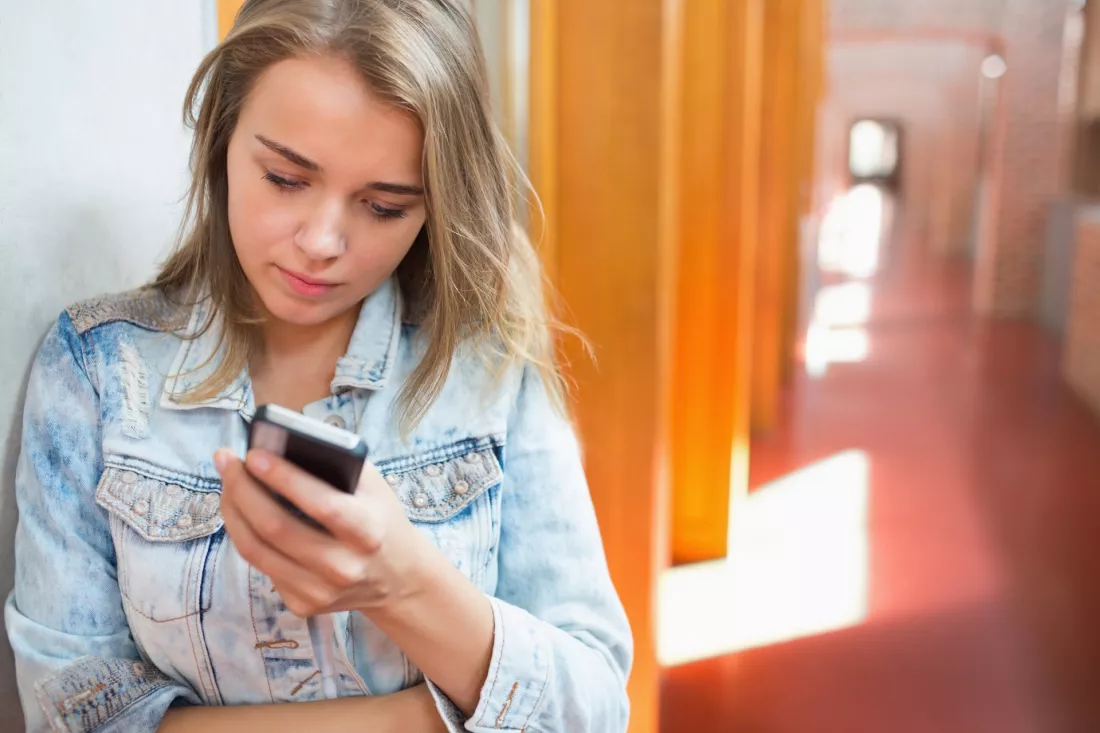
Um online nachzuweisen, wer wir sind, geben wir oft viel mehr von uns preis, als nötig wäre. Das EU-finanzierte Projekt TrustED will das ändern: Es verbindet selbstbestimmte digitale Identität, föderales Lernen und moderne Verschlüsselung, damit Menschen und Organisationen Daten sicher austauschen und gemeinsam auswerten können, ohne die Kontrolle abzugeben. Erprobt wird das Ganze bei Freiwilligen und in Krankenhäusern – und am Ende kannst du testen, wie gut du selbst auf deine digitale Identität achtest.
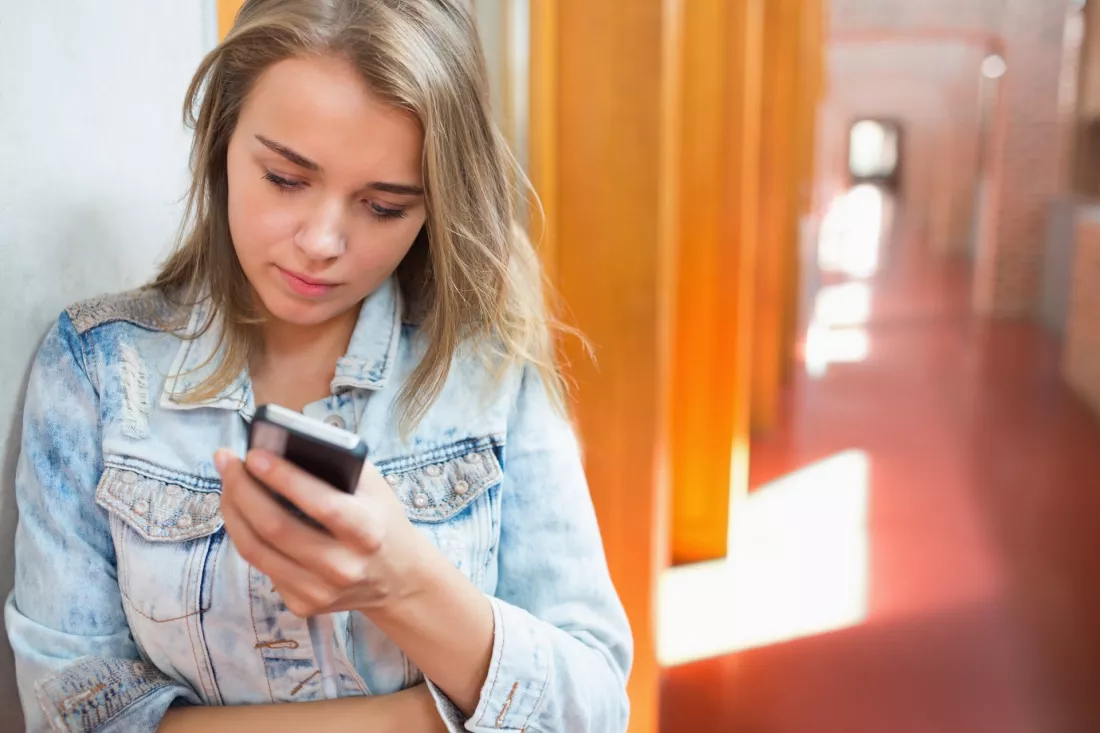
Crear una cuenta, confirmar la edad, enviar un certificado: en internet se nos pide constantemente que demostremos quiénes somos, y a menudo acabamos entregando mucho más de lo necesario. El proyecto europeo TrustED busca otro camino: une la identidad digital soberana, el aprendizaje federado y las tecnologías que refuerzan la privacidad, y las pone a prueba con voluntarios y en hospitales reales — y al final puedes comprobar cómo cuidas tu propia identidad digital.
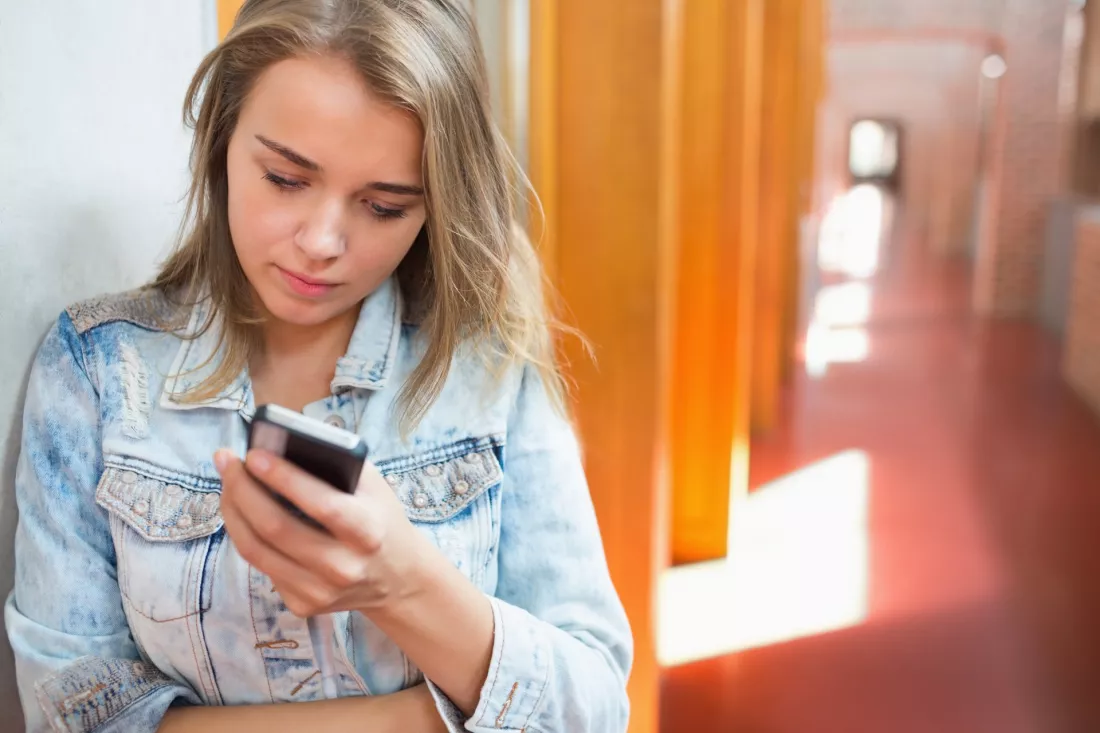
Logowanie do serwisów, potwierdzanie wieku, zgody na udostępnianie danych — w sieci co chwilę trzeba pokazać, kim się jest. Problem w tym, że razem z tożsamością często oddajemy znacznie więcej, niż potrzeba. Finansowany przez UE projekt TrustED łączy cyfrowy portfel tożsamości, uczenie federacyjne i zaawansowane szyfrowanie, a swoje rozwiązania sprawdza u wolontariuszy i w szpitalach — a na końcu możesz sprawdzić, jak ty dbasz o swoją cyfrową tożsamość.
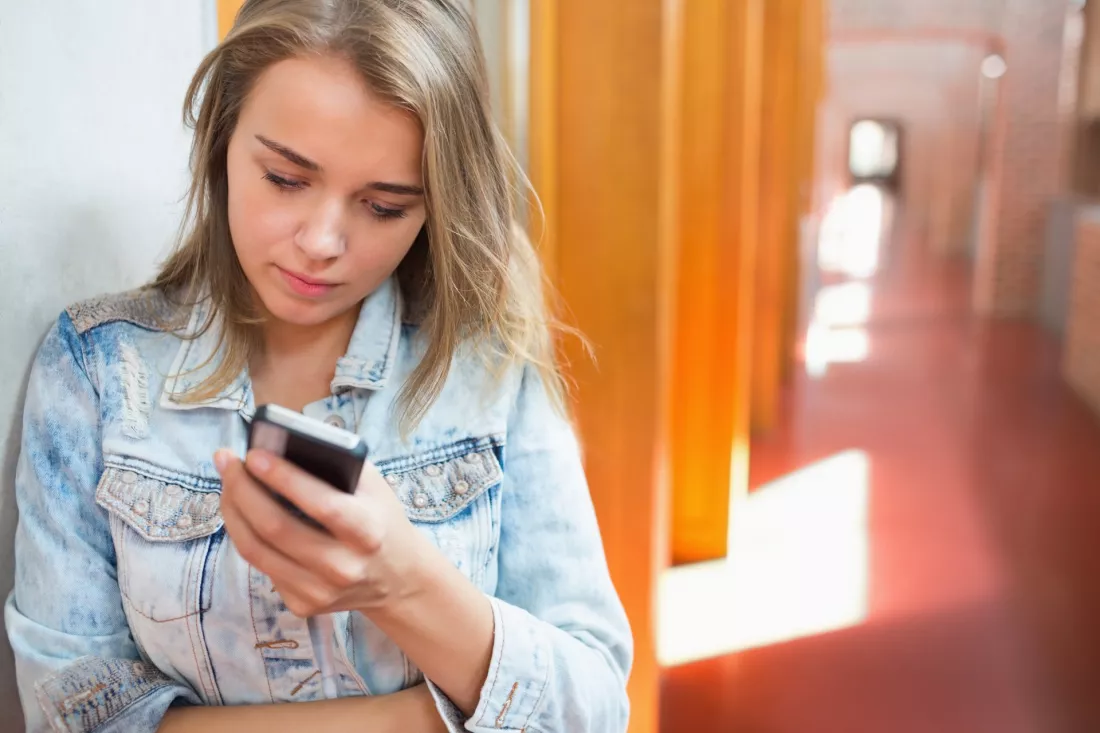
Every time you log in, sign up or confirm your age online, a bit of your personal data goes somewhere. The EU-funded TrustED project wants to change the rules of that game: it combines a digital identity wallet, federated learning and advanced encryption so that people and organisations can share data securely and still keep their privacy. The team has already tried it out with volunteers and in hospitals — and at the end you can check how well you look after your own digital identity.

Teleskope, Sonden, jahrelange Suche – und trotzdem kein bestätigter Hinweis auf Leben jenseits der Erde. Ein internationales Forschungsteam fragt, ob das Problem vielleicht nicht im All liegt, sondern in unserer Art zu suchen: Wer vor allem ein falsches Ja vermeiden will, übersieht womöglich ein echtes. Falsch-positiv und falsch-negativ kennst du aus der Statistik – hier geht es um die größte Frage der Astrobiologie – und am Ende kannst du prüfen, wie viel Spürsinn eines Alien-Jägers in dir steckt.

Telescopi sempre più potenti, sonde lanciate verso mondi lontani, eppure della vita extraterrestre non c'è ancora traccia. E se il problema fosse il modo in cui guardiamo? Un gruppo internazionale di ricercatori sostiene che l'astrobiologia teme tanto di annunciare per errore una scoperta da rischiare di non vedere segnali veri. È il dilemma dei falsi positivi e negativi, noto a chi studia statistica o medicina — e alla fine puoi scoprire se hai l'occhio del cacciatore di tracce aliene.


 English
 Čeština
 Deutsch
 Español
 Français
 Magyar
 Italiano
 Polski
 Português
 Русский
 Slovenčina
 Türkçe
 Українська
 العربية
 中文
中文