
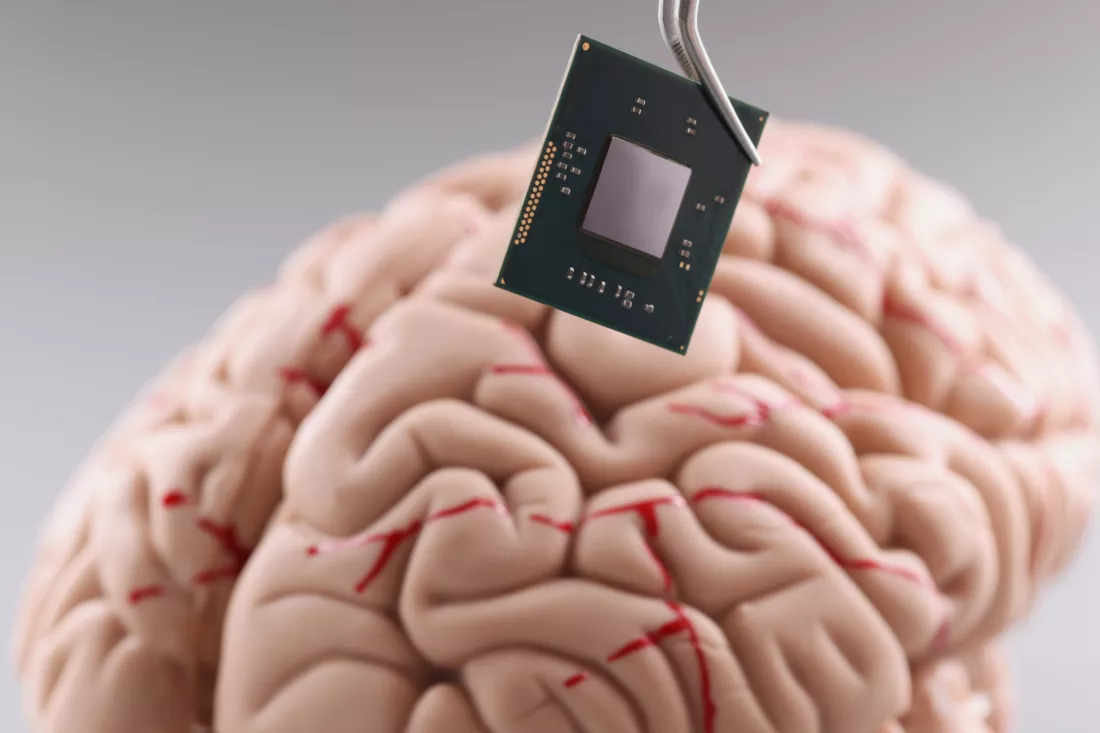
Brain–computer interfaces sound like pure science fiction, yet their biggest obstacle turns out to be ordinary physics: too much data, too little bandwidth and far too much heat inside the skull. A European team behind the IoN project has found a clever way around it, sending neural signals through body tissue instead of radio waves and transmitting only when neurons actually fire — and at the end you can check whether you have the kind of mind neurotechnology needs.
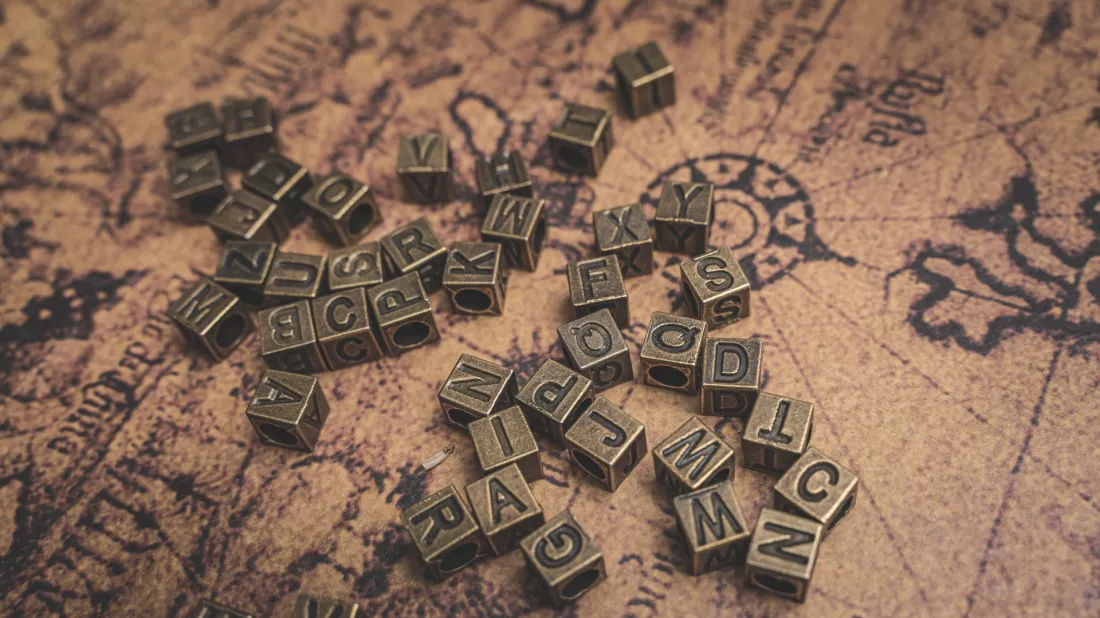
About 7,500 languages are spoken today, which sounds like more than enough until you learn it is only a fraction of what humanity once had. A new study in Science reconstructs 12,000 years of linguistic history and finds a surprise: the peak came just 1,000 to 3,000 years ago, and the decline began long before colonialism. So the language on your timetable is a lucky survivor of history — and at the end you can check what kind of polyglot you are.
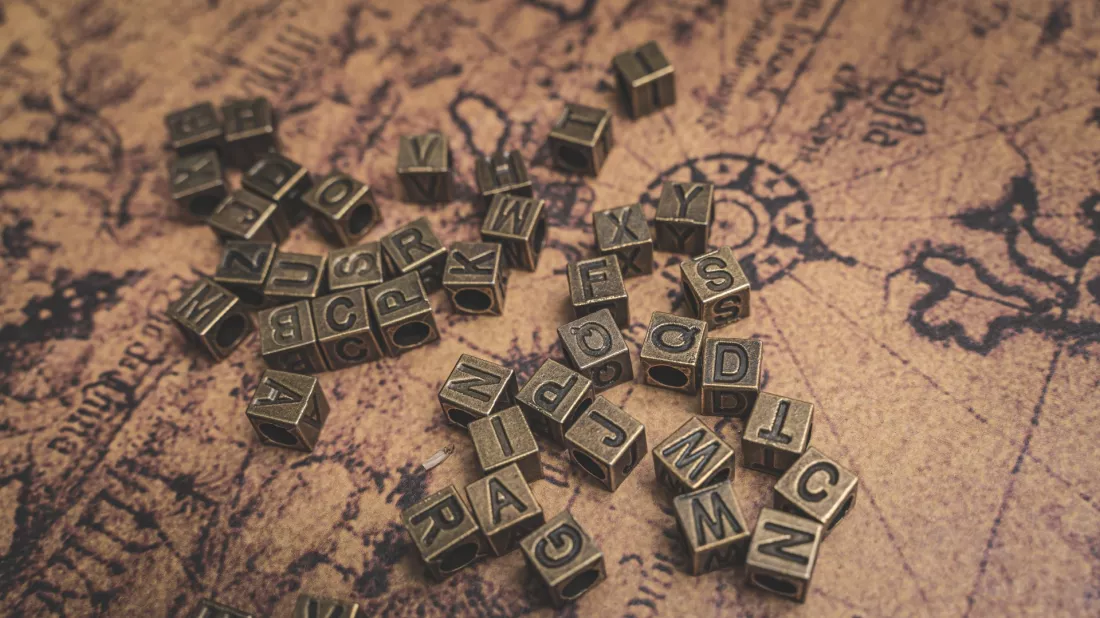
Hoy se hablan unas 7500 lenguas y parecen muchísimas. Sin embargo, un estudio publicado en Science revela que hace entre 1000 y 3000 años el planeta llegó a reunir entre 20 000 y 75 000 idiomas a la vez. La agricultura los multiplicó y los estados e imperios los barrieron mucho antes de la época colonial. El inglés o el francés de tus clases son supervivientes de un gran embudo histórico — y al final puedes comprobar qué tipo de políglota llevas dentro.
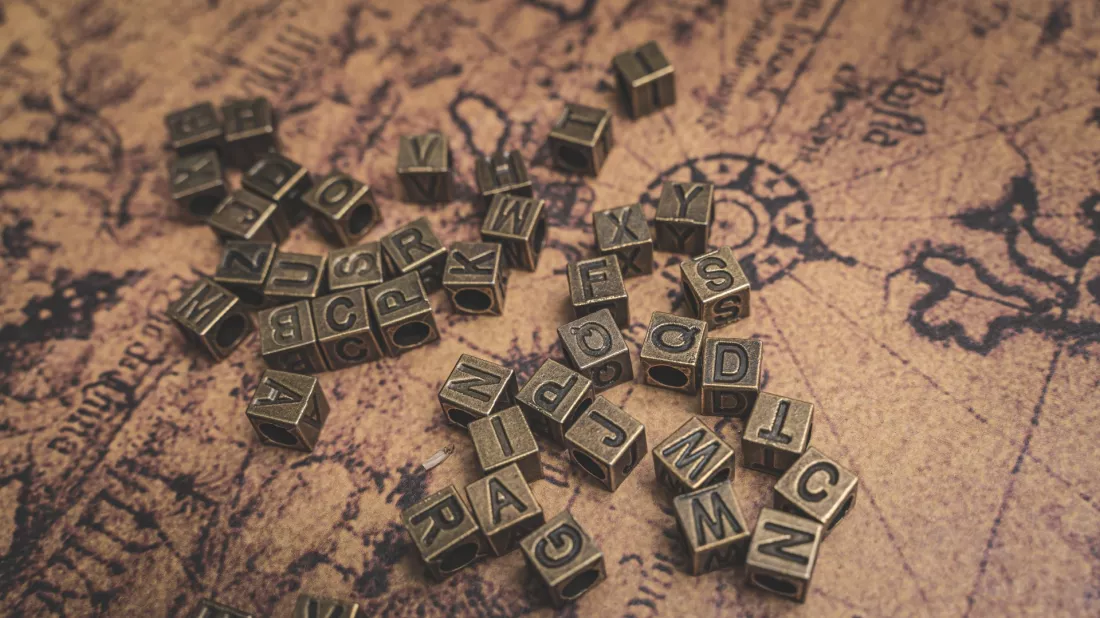
Englisch, Spanisch, Deutsch – die Sprachen, die heute an Universitäten gelernt werden, sind eigentlich Überlebende. Eine in „Science“ veröffentlichte Studie zeigt, dass vor 1000 bis 3000 Jahren bis zu 75.000 Sprachen gleichzeitig existierten, heute sind es rund 7500. Überraschend: Der große Rückgang begann lange vor dem Kolonialismus, und vor dem Ackerbau gab es wohl weniger Sprachen als heute – und am Ende kannst du testen, wie viel Polyglott in dir steckt.
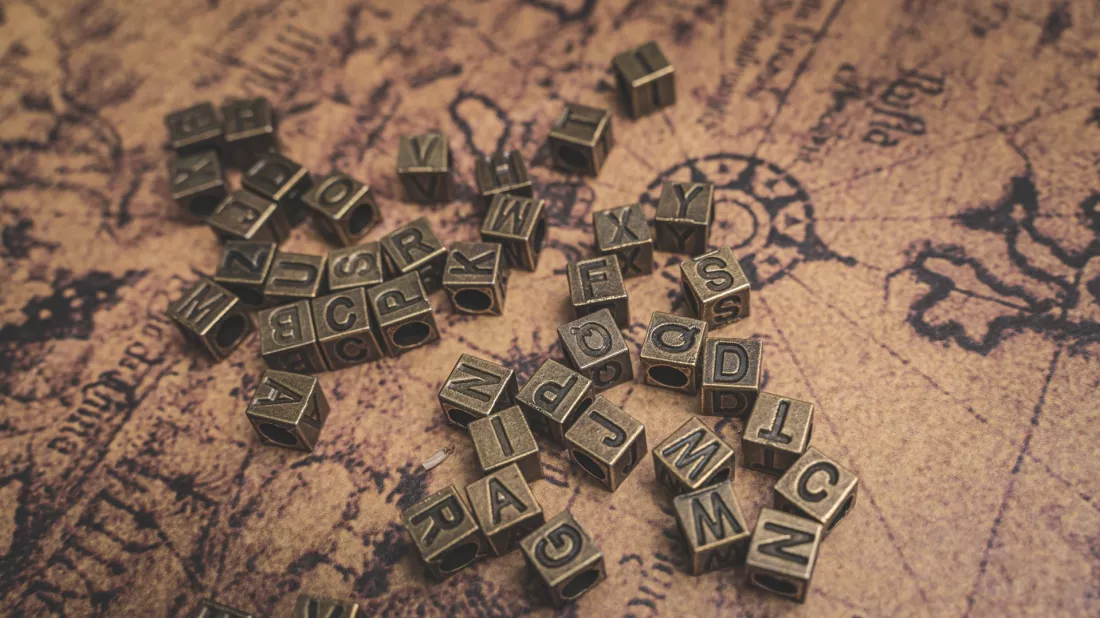
Anglais, espagnol, allemand : les langues étudiées à la fac semblent éternelles. Pourtant, selon une étude publiée dans Science, les quelque 7 500 langues parlées aujourd'hui ne représentent qu'une petite partie de celles qui ont existé. Il y a 1 000 à 3 000 ans à peine, l'humanité en parlait entre 20 000 et 75 000 à la fois, et le déclin a commencé bien avant la colonisation européenne — de quoi se demander quel polyglotte sommeille en vous, et le vérifier dans notre petit test à la fin.
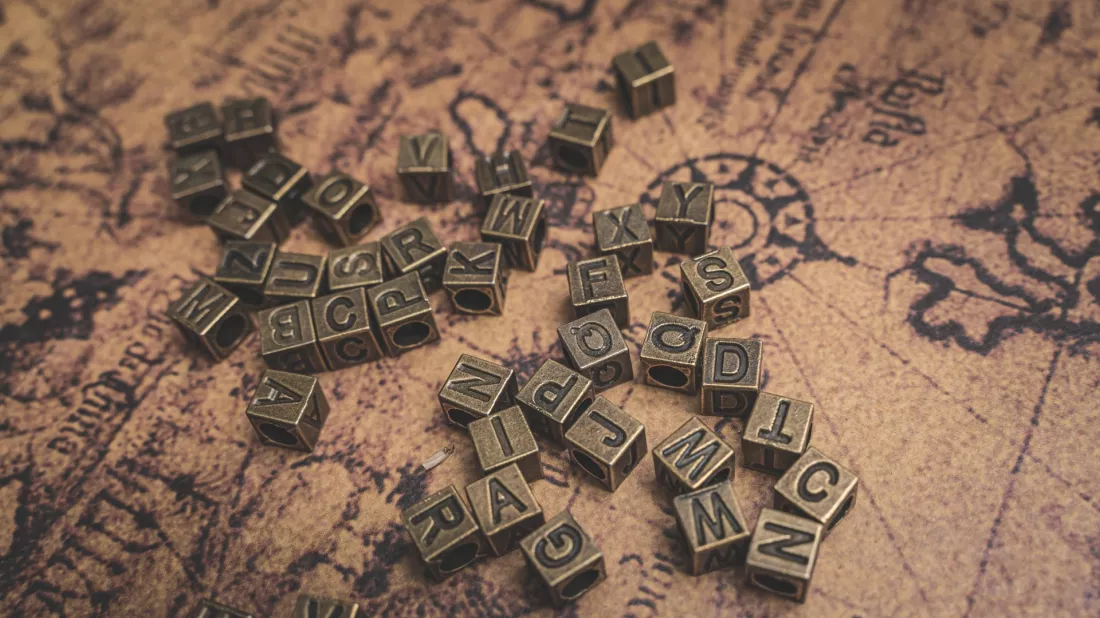
Na świecie mówi się dziś około 7500 językami, ale to tylko resztka dawnego bogactwa. Międzynarodowy zespół badaczy prześledził 12 000 lat językowej historii ludzkości i doszedł do wniosku, który zaskoczył samych autorów: najwięcej języków istniało nie w zamierzchłej prehistorii, lecz zaledwie 1000–3000 lat temu. Potem przyszło gwałtowne przerzedzenie, które zaczęło się długo przed epoką kolonialną – a na końcu możesz sprawdzić, jakim jesteś poliglotą.
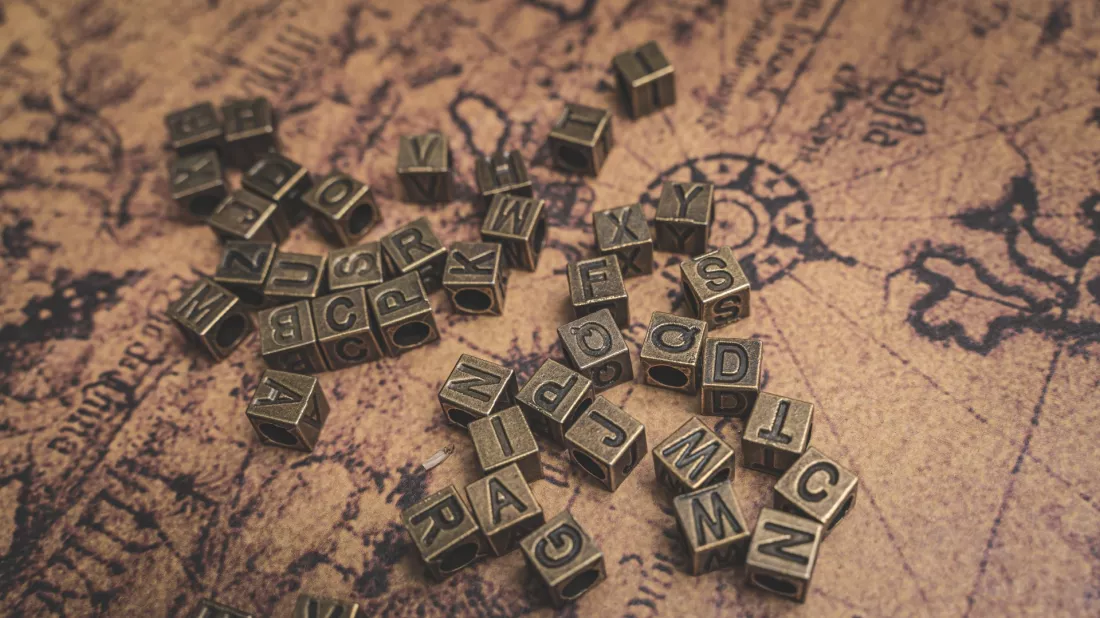
Oggi nel mondo si parlano circa 7500 lingue, ma sono solo una piccola parte di quelle che l'umanità ha conosciuto. Un gruppo di ricercatori di Germania, Spagna e Stati Uniti ha ricostruito dodicimila anni di storia linguistica e ha scoperto che il picco della diversità non risale alla preistoria, ma a un passato sorprendentemente vicino. Così la lingua che studi al corso universitario si rivela una sopravvissuta – e alla fine puoi scoprire che tipo di poliglotta sei.
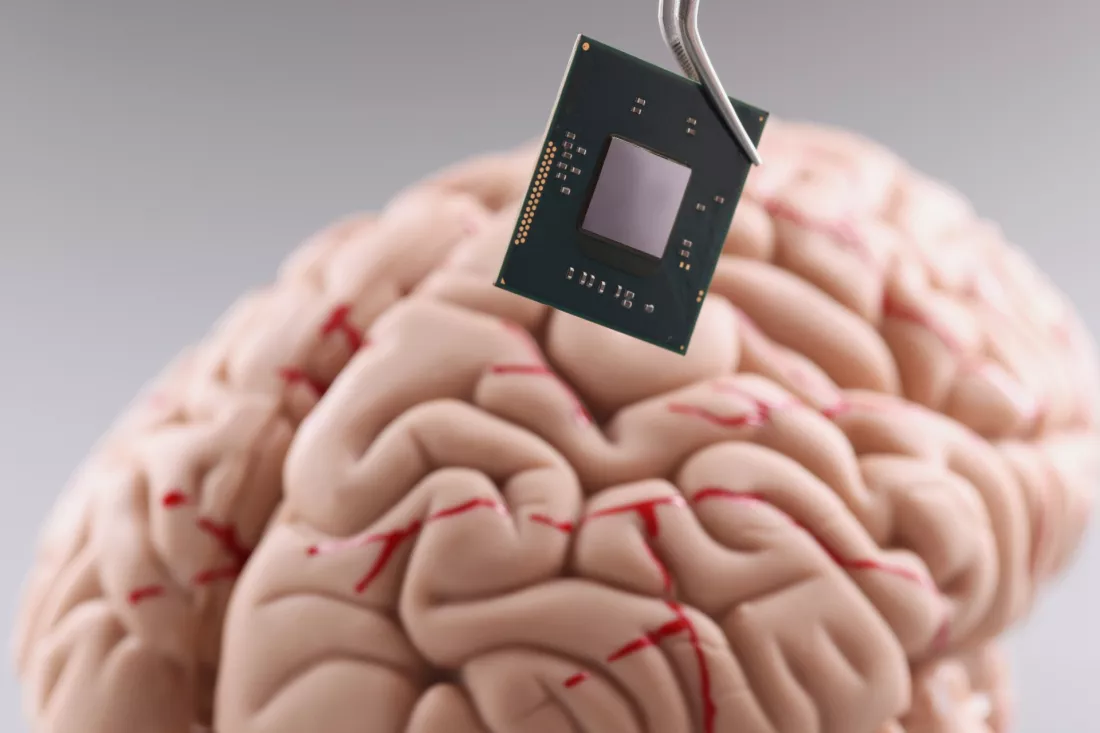
Interfejs mózg–komputer kojarzy się z filmami science fiction, ale jego największym wrogiem okazuje się zwykła fizyka: za dużo danych, za wąskie łącze i za dużo ciepła. Europejski projekt IoN pokazał, jak to obejść – sygnały z implantu płyną przez tkankę organizmu, a chip wysyła je tylko wtedy, gdy neurony faktycznie coś „mówią”. To temat na styku medycyny, elektroniki i informatyki – a na końcu możesz sprawdzić, czy masz głowę do neurotechnologii.
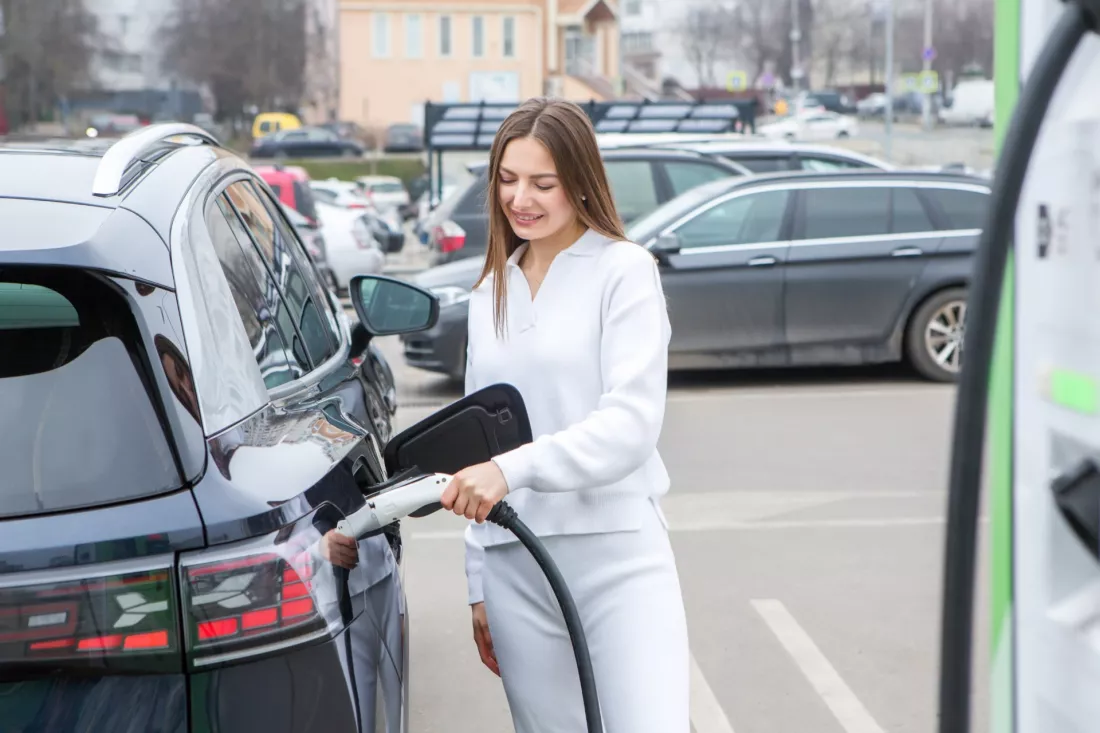
¿Llegaré sin cargar? ¿Habrá un punto de recarga libre? Estas dudas siguen frenando a muchos conductores ante el coche eléctrico. El proyecto europeo OPEVA, con 35 socios de nueve países, ha trabajado en rutas planificadas por inteligencia artificial y en sistemas de gestión de baterías capaces de vigilar cada celda durante la marcha. Sus resultados afectan a tu futuro primer coche y a los paquetes que pides por internet — y al final puedes comprobar si estás listo para la electromovilidad.
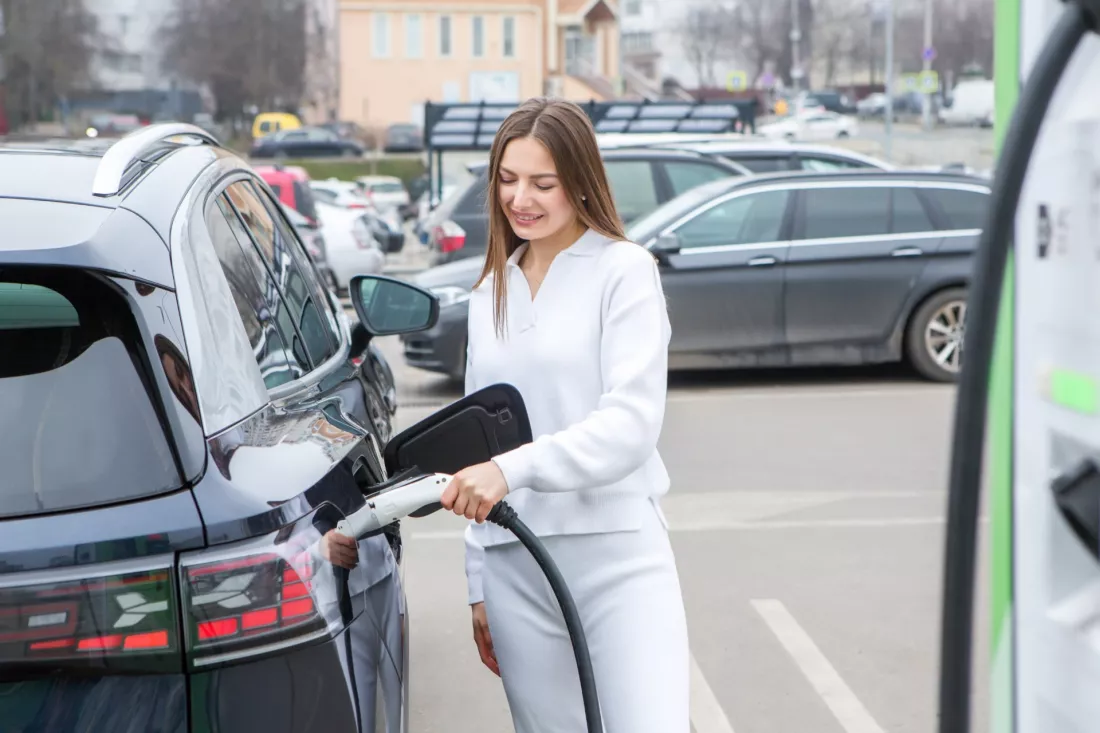
Zu wenig Reichweite, zu lange Ladezeiten, zu wenige Ladesäulen: Viele Autofahrer zögern beim Umstieg aufs Elektroauto noch immer. Das EU-Projekt OPEVA mit 35 Partnern aus neun Ländern will genau diese Sorgen verkleinern – mit künstlicher Intelligenz, energiebewusster Routenplanung für Lieferdienste und einem Batteriemanagement, das jede einzelne Zelle im Blick behält. Was davon bei künftigen Fahrern ankommt? – am Ende kannst du testen, wie bereit du selbst für ein E-Auto bist.
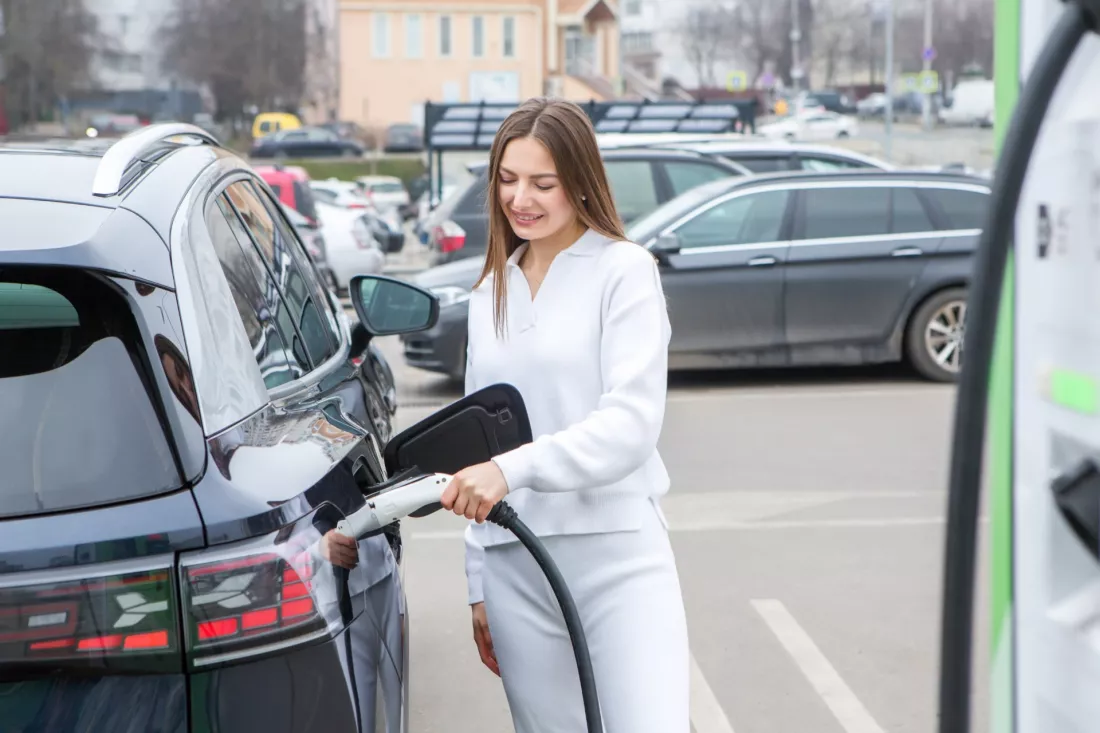
Autonomie trop courte, recharges interminables, bornes introuvables : beaucoup de conducteurs hésitent encore à passer à l'électrique. Le projet européen OPEVA, qui réunit 35 partenaires de neuf pays, mise sur l'intelligence artificielle, des itinéraires calculés selon l'énergie et des batteries capables de se surveiller cellule par cellule. De quoi changer la future première voiture d'un étudiant et même ses colis livrés — et à la fin, un petit test montre si vous êtes prêt pour l'électrique.
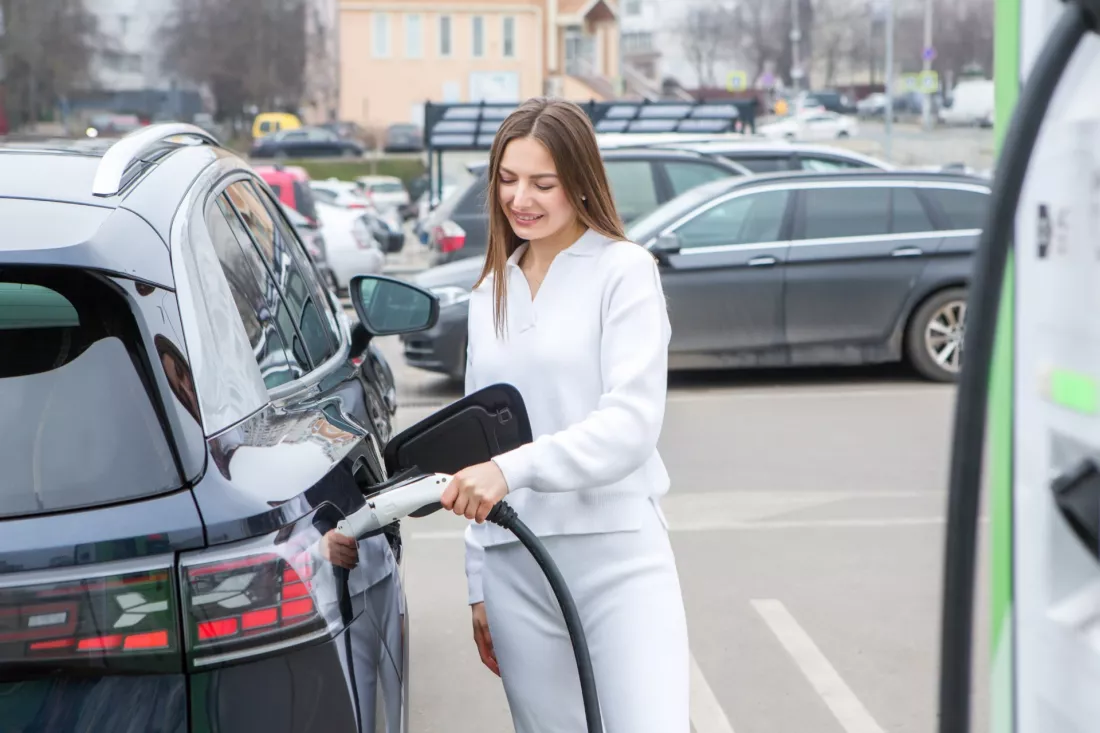
Autonomia limitata, ricariche lunghe, colonnine che mancano proprio quando servono: sono le paure che frenano ancora molti automobilisti davanti a un'auto elettrica. Il progetto europeo OPEVA, con 35 partner di 9 paesi, ha provato a ridurle con l'intelligenza artificiale, percorsi più furbi e batterie controllate cella per cella. Riguarda da vicino anche chi sceglierà la prima auto tra qualche anno e chi riceve pacchi ogni settimana — e alla fine puoi scoprire quanto sei pronto per la mobilità elettrica.
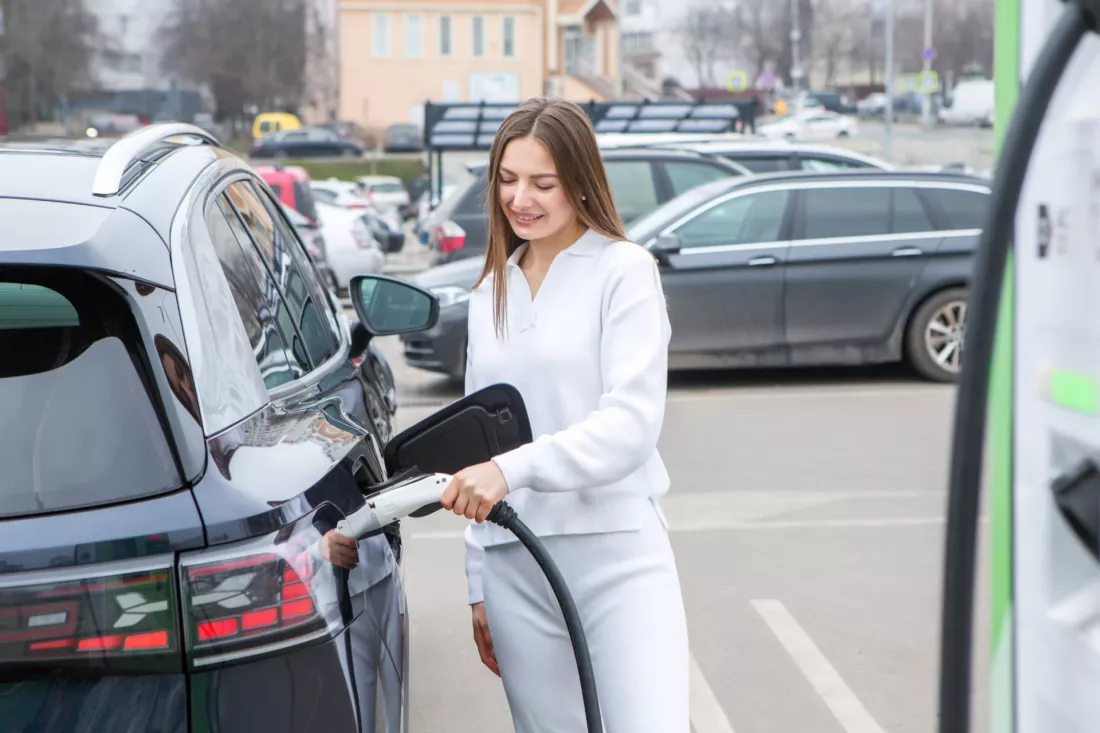
Limited range, long charging stops and too few charging points still keep many drivers away from electric cars. The European OPEVA project brought together 35 partners from nine countries to tackle these worries with artificial intelligence, energy-aware route planning for delivery vans and smarter battery management that watches every single cell – and at the end you can check whether you are ready to swap a petrol car for an electric one yourself.
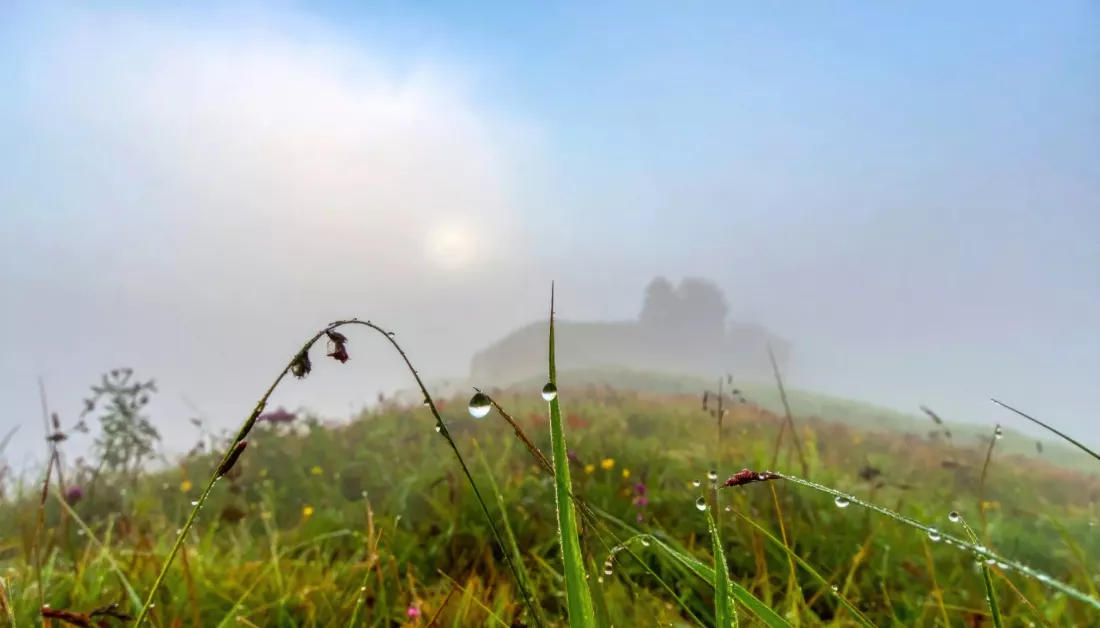
Ta sama niewidoczna para wodna, która rano osiada rosą na trawie, może stać się źródłem prądu działającym dzień i noc – także wtedy, gdy nie świeci słońce i nie wieje wiatr. Europejski projekt CATCHER sprawdza, jak zamieniać wilgoć z powietrza w energię elektryczną, i pokazuje, jak długą drogę przechodzi nowe źródło energii: od pomysłu i teorii do tysięcy godzin testów – a na końcu możesz sprawdzić, czy energia przyszłości to temat dla Ciebie.
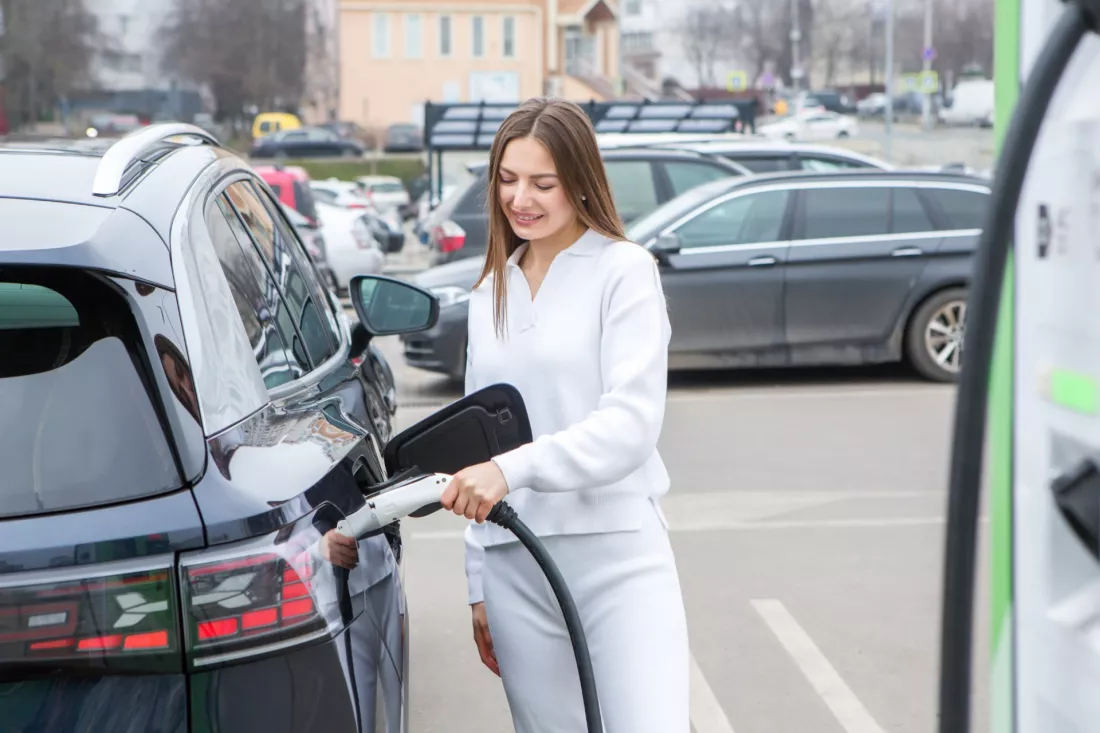
Zasięg, długie ładowanie i zbyt mało stacji – to wciąż główne powody, dla których wielu kierowców omija elektryki. Europejski projekt OPEVA zmierzył się z tymi obawami przy pomocy sztucznej inteligencji: od sprytniejszego planowania tras dostawczych po akumulatory, które na bieżąco „wiedzą”, w jakiej są kondycji. Chodzi też o Twoje przyszłe pierwsze auto i paczki zamawiane przez internet – a na końcu możesz sprawdzić, czy jesteś gotowy na elektryka.
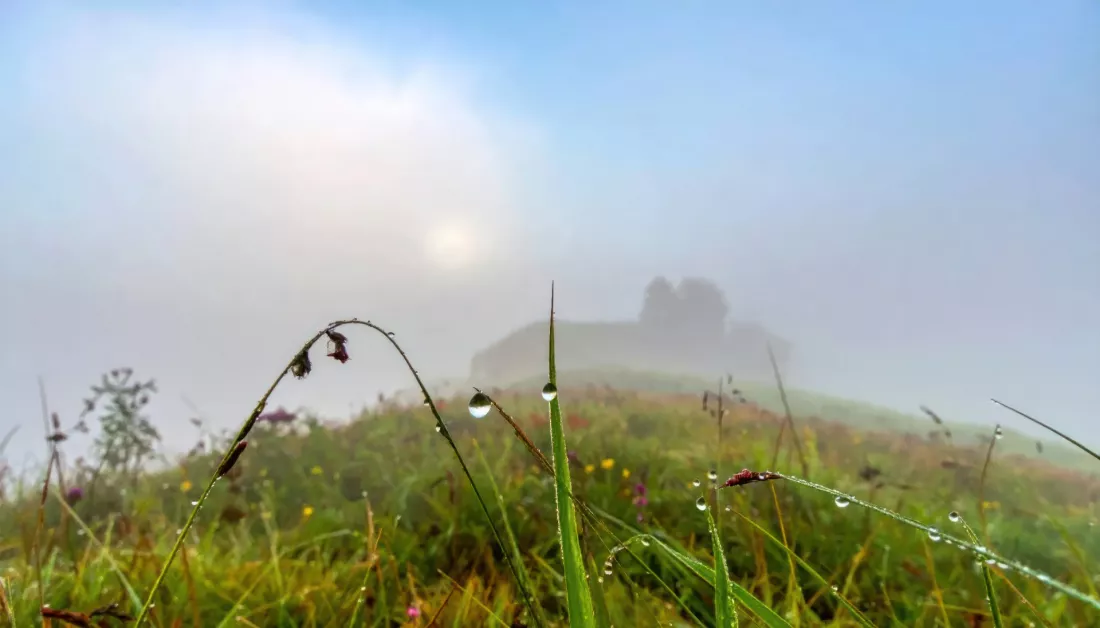
Solar- und Windkraft liefern nur, wenn die Sonne scheint oder der Wind weht. Das EU-Projekt CATCHER setzt auf eine Ressource, die rund um die Uhr da ist: die Luftfeuchtigkeit, also denselben Wasserdampf, der sich morgens als Tau auf dem Gras zeigt. Die Forschenden haben Wandler gebaut, die mehr als 9000 Stunden ohne Leistungsverlust liefen. Wie das funktioniert und warum der Weg bis zum Stromnetz noch weit ist – und am Ende kannst du testen, wie viel Energie der Zukunft in dir steckt.
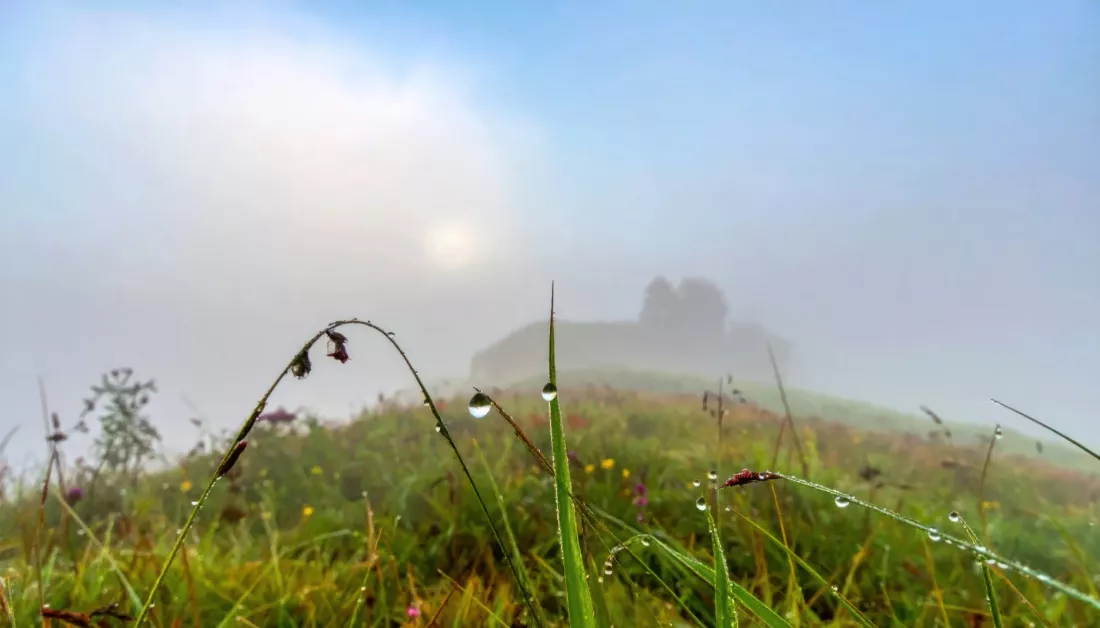
La misma humedad que al amanecer se posa en forma de rocío sobre la hierba podría convertirse en una fuente de electricidad que funcione de día y de noche, aunque no brille el sol ni sople el viento. El proyecto europeo CATCHER ha puesto a prueba esta idea con convertidores que trabajaron miles de horas sin perder rendimiento. Su historia muestra cómo nace una nueva fuente de energía, de la teoría a los ensayos — y al final puedes comprobar si la energía del futuro va contigo.
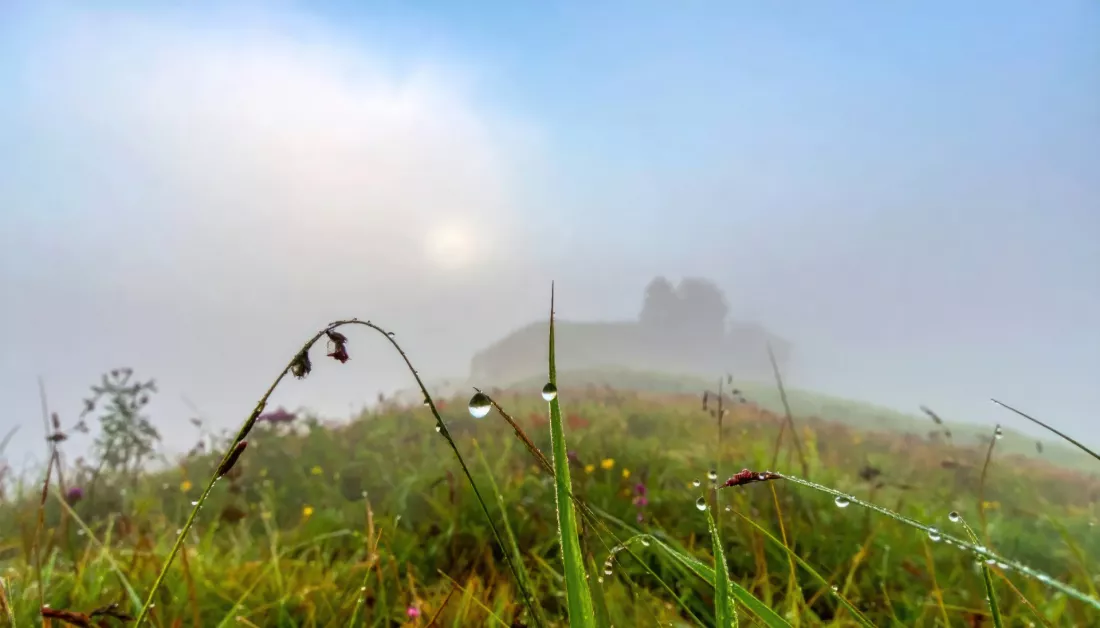
La vapeur d'eau qui se dépose chaque matin en rosée sur l'herbe pourrait-elle un jour alimenter nos maisons, de jour comme de nuit, même sans soleil ni vent ? C'est l'idée qu'explore CATCHER, un projet européen coordonné au Portugal, qui cherche à transformer l'humidité atmosphérique en électricité. Son histoire montre aussi comment naît une nouvelle source d'énergie, de la théorie aux longues séries d'essais — et à la fin, tu peux vérifier si l'énergie du futur te parle vraiment.
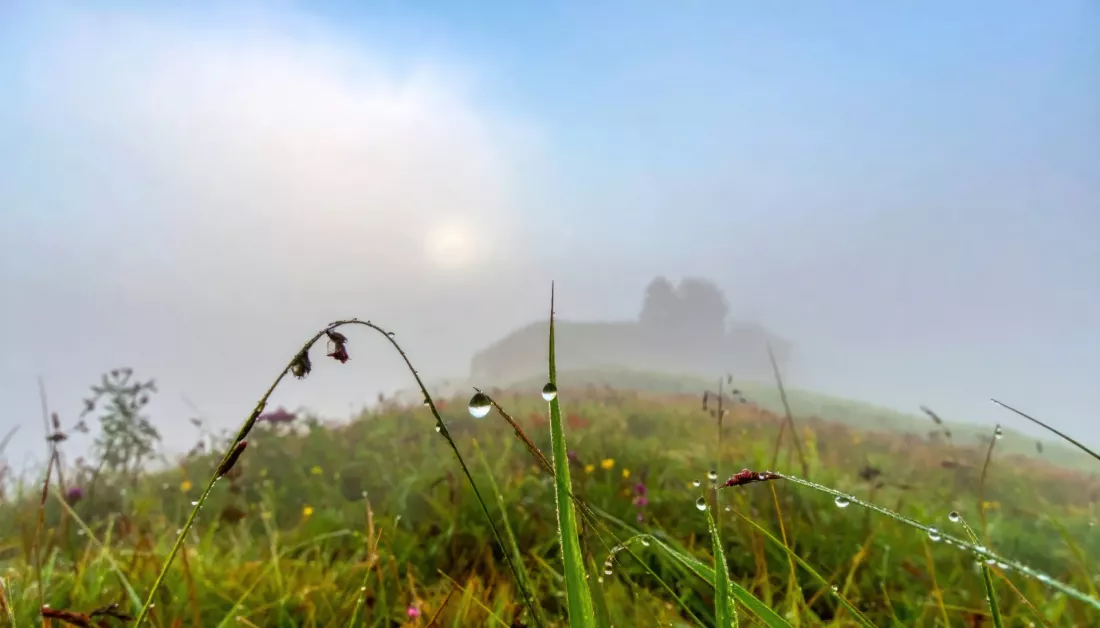
La stessa umidità che al mattino si posa sull'erba come rugiada potrebbe un giorno alimentare le nostre case, di giorno e di notte, anche senza sole e senza vento. Il progetto europeo CATCHER ha lavorato su questo: trasformare il vapore acqueo presente nell'aria in elettricità, passando dalla teoria a migliaia di ore di prove. Ecco che cosa è stato verificato, quanto è grande questa risorsa e perché interessa chi studia energia — e alla fine puoi scoprire quanto ti appassiona l'energia del futuro.
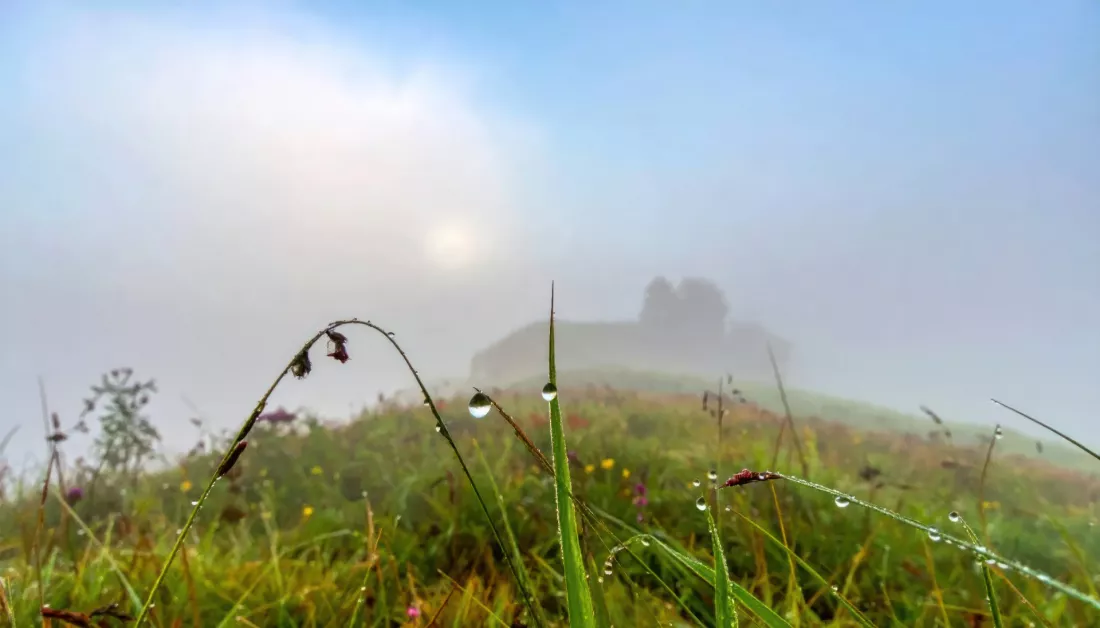
The same moisture that settles as dew on the grass each morning may one day keep the lights on. The EU-funded CATCHER project has been developing a technology that turns water vapour in the air into electricity, working day and night, whether or not the sun shines or the wind blows. Its converters have already run for thousands of hours in demanding laboratory tests — and at the end you can check whether you have a head for the energy of the future.


 English
 Čeština
 Deutsch
 Español
 Français
 Magyar
 Italiano
 Polski
 Português
 Русский
 Slovenčina
 Türkçe
 Українська
 العربية
 中文
中文